
There’s a noticeable shift happening in the APAC conference scene — and it’s not just about AI, hybrid formats, or interactive tech. It’s about resilience — the new metric driving real return on investment for event professionals.
Across Singapore, Sydney and Queenstown, I’ve noticed that audiences don’t just want to be inspired for an hour; they want tools that help them perform under pressure long after the applause fades.
1. “Resilient Performance” Is the New Engagement Metric
For years, event success was measured in post-conference surveys and smile sheets. Now, the question being asked is:
Did our people apply what they learned once they got back to work?
That’s why event professionals are seeking keynote speakers who can link inspiration to implementation — helping teams not only feel motivated but perform more effectively under pressure.
2. APAC Organisations Are Investing in Adaptability
From financial services in Sydney to retail franchises in Singapore, event briefs are increasingly focusing on adaptability, courage, and connection — the three hallmarks of professional resilience.
Organisations know that in unpredictable markets, the most valuable outcome from a conference isn’t a round of applause — it’s a workforce that can stay focused and future-ready, even when the pressure mounts.
3. ROI Is Being Redefined: From Inspiration to Integration
Conference ROI used to mean attendance numbers and brand exposure. Now, it’s about behavioural change.
Event professionals are looking for sessions that extend beyond the stage — with post-event reflection tools, follow-up videos, or resilience challenges that keep teams engaged and accountable.
It’s not about one-off motivation. It’s about embedding new habits that translate into performance.
4. Local Relevance Matters More Than Ever
While international speakers still attract attention, there’s a growing demand for Australian and regional voices who understand the APAC business climate — where time zones, cultural nuance, and dispersed teams are daily realities.
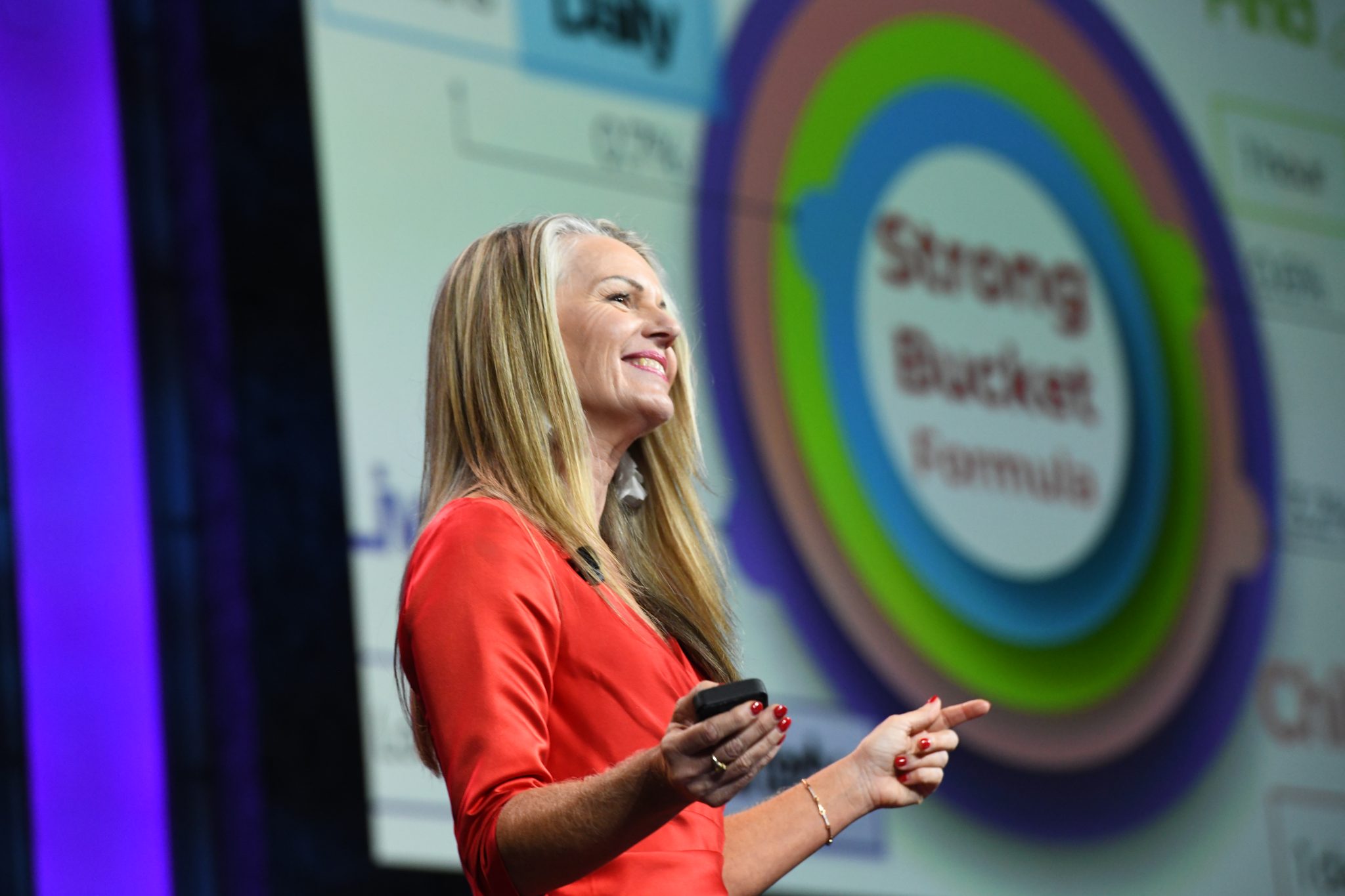
As an Australian keynote speaker who’s delivered across APAC, I’ve seen firsthand how stories grounded in local context resonate more deeply. It’s the blend of authenticity and relatability that keeps delegates leaning in.
5. Resilience Isn’t a “Soft Skill” — It’s a Strategic Edge
In 2026, resilience will move from a feel-good topic to a boardroom-level performance strategy. It drives lower turnover, higher engagement, and better leadership retention — all measurable business outcomes. That’s why event professionals are choosing resilience-focused keynotes as their event centrepiece: they elevate both culture and capability.
🌼 What Makes Professional Resilience Different
Professional resilience isn’t about wellbeing — it’s about performance. It’s the ability to stay future-focused, adaptable, and effective under pressure. That’s what organisations across APAC are investing in — and it’s why professional resilience keynotes are fast becoming the centrepiece of leadership and team conferences.
If 2025 was the year of digital transformation, 2026 will be the year of human transformation — where resilient thinking becomes the competitive advantage.
So, when you’re planning your next APAC conference, ask not just “Who will inspire our audience?” but “Who will equip them to thrive after the event?”
Because in this region, and this moment, resilience is the new ROI.
If your 2026 event is ready to turn inspiration into long-term impact, let’s discuss how I can bring the message of professional resilience to your stage.
🌼 Frequently Asked Questions
✨ What do you mean by professional resilience?
Professional resilience is the skill set that helps leaders and teams perform under pressure, stay future-focused, and lead through uncertainty. It goes beyond personal wellbeing to measurable workplace outcomes like engagement, retention, and consistent performance under tight timelines.
✨ Why is professional resilience the new ROI for APAC conferences in 2026?
Event success is shifting from short-term inspiration to long-term impact. Professional resilience equips people with practical tools they can apply back at work — improving focus, collaboration, and adaptability — which event professionals can measure as true return on investment.
✨ How do you help audiences apply insights after the keynote?
I combine storytelling with simple, repeatable tools and provide optional follow-ups like reflection prompts, short videos, and resilience challenges. These keep the message alive and help teams embed new habits over the weeks following the event.
✨ Which APAC locations do you speak in most often?
I have recently delivered keynotes in Australia, New Zealand, Singapore, and virtually across Asia, tailoring every presentation to suit the local audience and industry.
✨ What outcomes can event professionals expect from your keynote?
Event organisers can expect clear frameworks to help teams perform under pressure, a lift in post-event engagement, and practical strategies that leaders can implement immediately — all of which drive long-term ROI and measurable behaviour change.
✨ Can your keynote be adapted for virtual or hybrid events?
Yes. I regularly adapt my sessions for virtual and hybrid audiences. Even when cameras are off, I design interactive storytelling moments that keep participants engaged and connected, no matter where they’re joining from.


